Be yourself; Everyone else is already taken.
— Oscar Wilde.
This is the first post on my new blog. I’m just getting this new blog going, so stay tuned for more. Subscribe below to get notified when I post new updates.
Be yourself; Everyone else is already taken.
— Oscar Wilde.
This is the first post on my new blog. I’m just getting this new blog going, so stay tuned for more. Subscribe below to get notified when I post new updates.
When I decided to major in film, I initially focused most of my energy on the production aspects. I watched as many films and TV shows as I could (still do) to study the techniques and themes. I’ve studied all the technical terms for what makes a film good, bad, sad, upsetting etc. As I approached my last semester I realized though that if I’m going to actively take place in media production, it’s probably important to take a look at media as a whole. I enrolled in a class on Media Criticism.
Media criticism and the teaching of media literacy is a necessity in the modern world. We spend the majority of our time consuming some form of media be it television, films, or advertisements. It shapes who we are personally and the society we live in as a whole. With such a massive reach, it’s important to study media criticism to better understand the influence it has.

Media Literacy has had multiple forms throughout the years. We had the Protectionist Approach which focused on restricting media consumption(tv, violent video games etc.)to avoid potentially harmful effects. Media arts education then attempted to strictly analyze the aesthetic value of media with limited results. Finally we have Critical media literacy, which used some aspects of the protectionist approach but stresses the role of ideology. It tackles power relations like dominance, subordination, and marginalization. The audience is active in the process of giving meaning in this type of media literacy, where the goal is to use media to empower the underrepresented.
The formal definition of Media Criticism describes it as the “Systematic and critical process used to understand media texts as meaningful sociocultural symbolic forms and forces.” It implements a variety of techniques for studying different media texts. A text can be any form of media such as a Super Bowl commercial or a hit TV show. There’s a process to It all starts with selecting a media text. From there, media criticism uses a step by step process describing messages, analyzing significant patterns found in the text, interpreting potential meaning(s), and evaluating its impact on both small (personal) and large (socio-cultural) scales.
Using this template, we as media consumers can take a step back and look at our favorite movies and TV shows with a more critical eye and understand it on a larger scale using tools of media literacy. The 5 step template is expanded upon through multiple disciplines in media criticism. For example, Semiotics studies the specific symbols found in media to analyze. Then there’s Structuralism, which takes the media text as a whole specifically focuses on the structure of it in how its parts come together. These are just a few of the multiple disciplines found in media criticism. Finally we have Narrative Analysis which looks at storytelling. Telling stories is basic human nature, we’ve used them for thousands of year to explain and make sense of the complicated world in which we live. Narrative analysis then studies how these stories are structured into cause and effect chains of events
Now let’s take a crack at studying a media text using some techniques learned from media criticism. Let’s look at one of my favorite TV series, Psych.
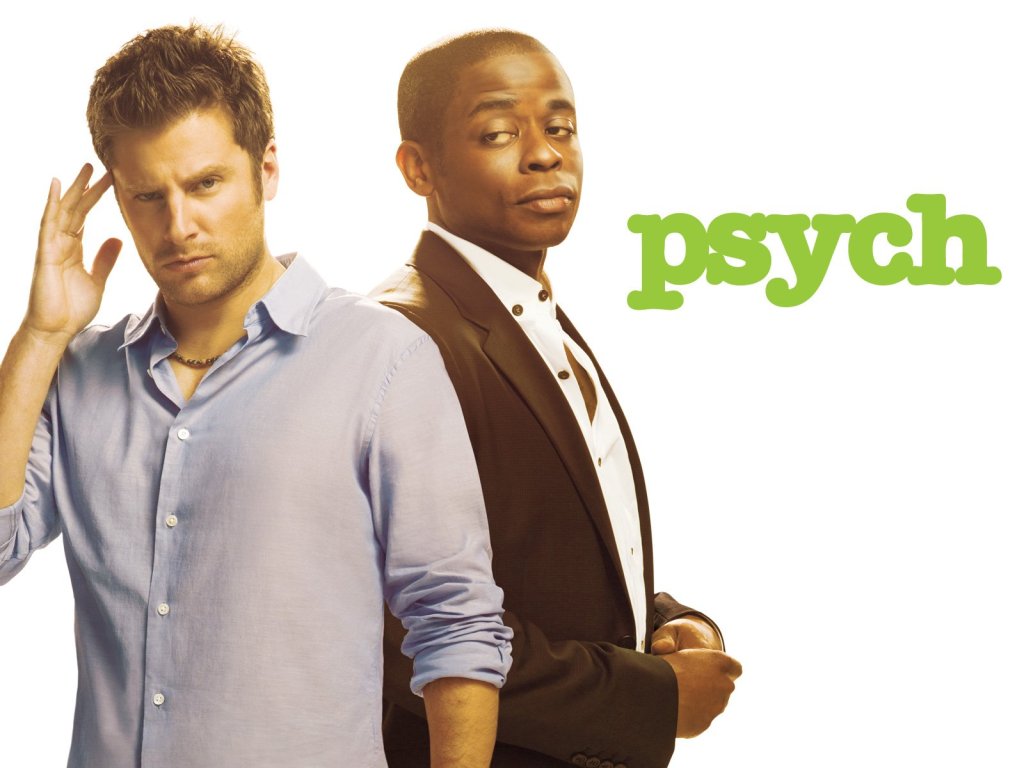
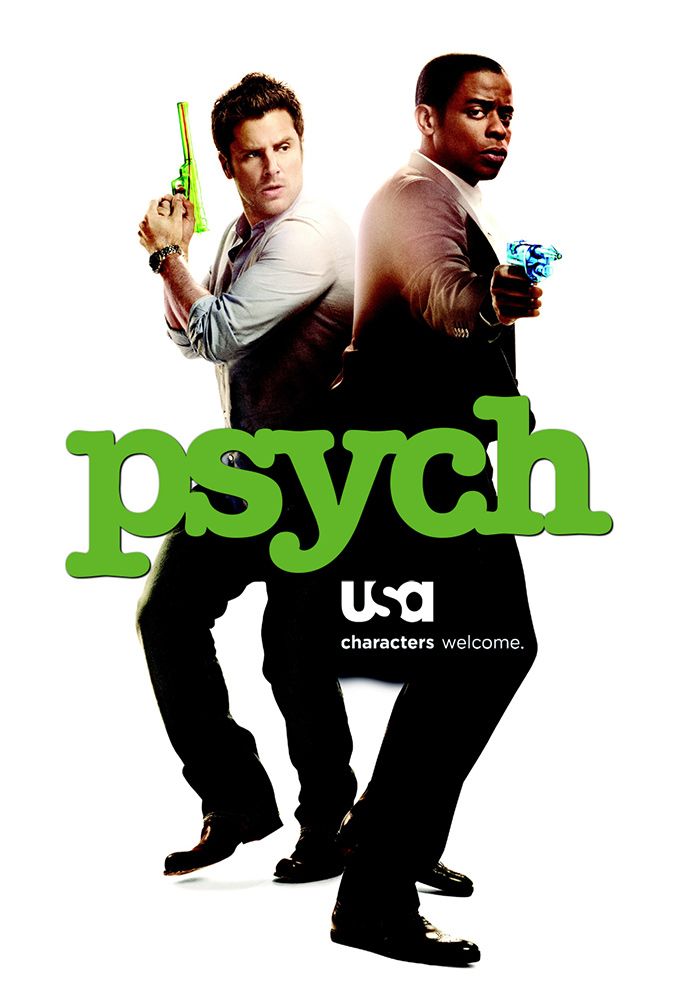
Psych was an American Detective Comedy-Drama that aired on the USA network from 2006 to 2014 and told the story of a perpetual slacker named Shawn Spencer, the son of a former Santa Barbara police officer, who has extraordinary observation skills through his eidetic memory. Trained by his father from childhood to use these skills to one day become a police detective, Shawn rejected his father’s dream in favor of a more carefree lifestyle. Strapped for cash after being unable to hold down a job, Shawn resorts to disguising his amazing deductive skills as a genuine “psychic” ability. Bringing along his neurotic childhood best friend Gus, Shawn uses his “ability” to solve a murder in the pilot episode and continues the facade, becoming a “Psychic Consultant” for the SBPD for the duration of the series.
I’m going to apply narrative analysis to Psych by looking at the recurring narrative structure found in each episode using the Aristotelian approach. The Aristotelian approach examines narrative through elements of drama. These elements consist of plot, character, theme, and setting. It also examines the vehicles for drama such as language and performance. This approach is best used for understanding genres by the specific nature of these elements dependent on a specific genre.
First we’ll look at plot. Despite its rapid fire comedy, the show is a police procedural at its core. With the exception of a few recurring foes, every episode is a new case that Shawn and Gus stumble into. Every episode the SBPD rules the case an accident and Shawn gets a “vision” telling him it was murder. We learn the case, we learn it was murder, and we spend the rest of each episode following the ups and downs of the investigation. A unique element is that almost every Psych episode begins with a flashback to Shawn and Gus’ childhood. Each flashback features a specific childhood dilemma that will come back later in the episode as Shawn uses the experience, and usually his father’s advice, to solve the case of the week. It’s all used to wrap each episode in a nice contained story just like even the grittiest of cop shows.
Character is important in placing Psych’s genre. Shawn and Gus are the epitome of the buddy cop dynamic although neither of them are cops. Within the SBPD we have two more procedural archetypes, the “newbie” Juliet O’Hara, who is a gifted rookie detective at the start of the show, and her more experienced curmudgeonly partner Carlton Lassiter who despises the psychic detective and is protective of Juliet.
Just by looking at specific elements of drama I can map out exactly how each episode will go, who will disagree with who, and when we’ll catch the bad guy. The Aristotelian process of narrative analysis proves to be a great part of media criticism as I can dissect each element of drama and relate it to the grand scheme of the police procedural genre and analyze where and why it strays. Shawn’s goofy nature and consistent rejection of his father’s police officer influence is perfectly mirrored in the show itself never taking anything too seriously.
This is just one of the many types of media criticism that has helped me look at the media texts I consume with a critical eye and decide for myself how I’m going to let it influence me. These types of skills are important to me because as someone who plans on going into producing media like TV and film, I want to be able to use media criticism to better understand the kind of content I want to make and not be consumed in the “industry” of it all.
This is an example post, originally published as part of Blogging University. Enroll in one of our ten programs, and start your blog right.
You’re going to publish a post today. Don’t worry about how your blog looks. Don’t worry if you haven’t given it a name yet, or you’re feeling overwhelmed. Just click the “New Post” button, and tell us why you’re here.
Why do this?
The post can be short or long, a personal intro to your life or a bloggy mission statement, a manifesto for the future or a simple outline of your the types of things you hope to publish.
To help you get started, here are a few questions:
You’re not locked into any of this; one of the wonderful things about blogs is how they constantly evolve as we learn, grow, and interact with one another — but it’s good to know where and why you started, and articulating your goals may just give you a few other post ideas.
Can’t think how to get started? Just write the first thing that pops into your head. Anne Lamott, author of a book on writing we love, says that you need to give yourself permission to write a “crappy first draft”. Anne makes a great point — just start writing, and worry about editing it later.
When you’re ready to publish, give your post three to five tags that describe your blog’s focus — writing, photography, fiction, parenting, food, cars, movies, sports, whatever. These tags will help others who care about your topics find you in the Reader. Make sure one of the tags is “zerotohero,” so other new bloggers can find you, too.

 Media Criticism - MCOM 352